

Cybersecurity is a topic of concern for everyone today. Numerous incidents, which ultimately affect the user, have led to increased attention being paid to improving this crucial aspect of online safety. What dangers and options will we face in the near future?
Trends in cybersecurity that we must keep in mind
As we've said, cybersecurity is a topic that concerns (or should concern) us all. High-profile cases like Facebook's Cambridge Analytica scandal last year, or the numerous attacks suffered by current platforms (with the vulnerability of our personal data and passwords), only serve to highlight the need to join forces to build a more secure internet.
There are multiple points of attack , and some of them (and this is where the greatest vulnerability lies) are unknown or underestimated by the user. Did you know, for example, that artificial intelligence constitutes a new gateway for cybercriminals? To contribute to a safer internet (your internet), it's essential to understand the emerging trends in cybersecurity and the tools and solutions available to us.
The rasonware will go down
Ransomware, which prevents users from accessing their system or files unless they pay a ransom, appears to be on the decline. While we must remain vigilant and protected against these types of attacks, analysts say this trend has already begun to decrease in 2019 and is expected to continue in the near future.
Malicious apps are still present

Although it may seem that we are all now aware of the dangers of malicious applications, they are more prevalent than ever. Beyond websites of dubious origin, it is sometimes possible to find harmful applications even in official app stores , thanks to their ability to bypass all the security measures of these platforms.
It is unusual but the practice continues and will not disappear in the near future.
Artificial intelligence and IOT are even in the soup
We've already pointed out that artificial intelligence is just another gateway for cybercriminals, as is the so-called Internet of Things. Given their increasing presence in our devices, AI and IoT potentially pose one of the biggest cybersecurity challenges and will only intensify in the coming years as more personal devices incorporate them into their platforms.
Cyber espionage and hacktivism, on the rise

The most important cybersecurity reports indicate that cyber espionage is one of the most critical threats, both now and in the future. Specifically, they emphasize hacktivism (the use of illegal actions online as a political tool ), which is having a significant impact due to its activist ties.
DDoS attacks will increase
DDoS attacks are expected to continue increasing in the future. The reasons? They are very low-cost , making them highly profitable for hackers of all experience levels. This type of attack can also significantly damage a company's reputation, which is why it's frequently used when attacking a company—something unfortunately much more common than you might think.
CEO fraud, increasingly recurrent
Behind this rather unusual name lies a type of cyberattack that's very trendy and shows no signs of disappearing anytime soon. In it, an unknown employee impersonates the CEO or managing director of a company in order to trick people into transferring funds or gaining access to certain accounts, causing, as you can imagine, significant financial losses for the targeted company.
An effective tool: the use of a VPN
You've probably seen these three letters many times and are still wondering what a VPN is . Behind this name (which is simply the acronym for "virtual private network") lies a service that encrypts your internet traffic and protects your online identity, making it a fantastic tool for preparing for many of the cybersecurity problems we'll encounter in the near future.
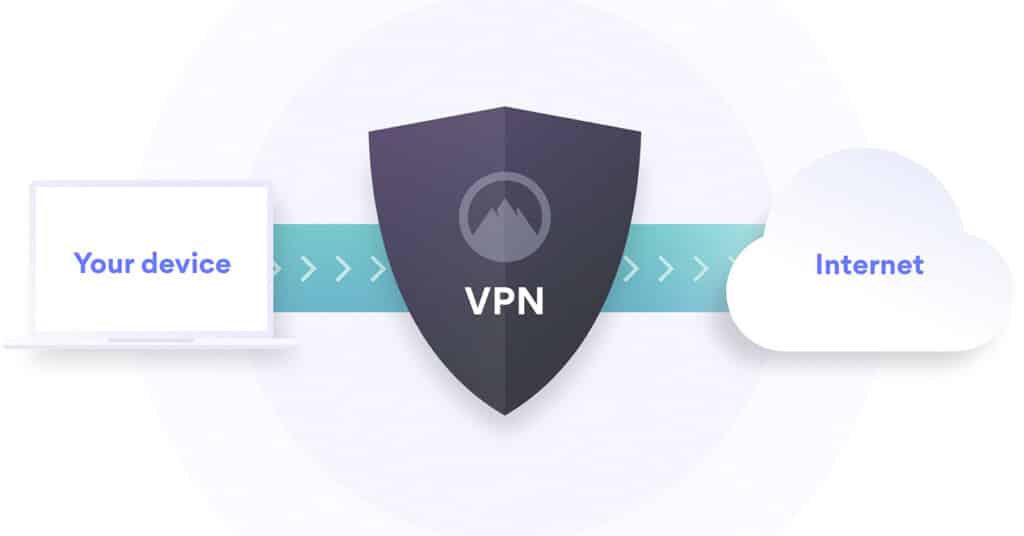
A VPN redirects your connection through a remote server managed by a specially configured VPN provider, hiding your IP address and encrypting all data sent or received. This makes the data "incomprehensible" to anyone attempting to intercept it, preventing it from being read.