
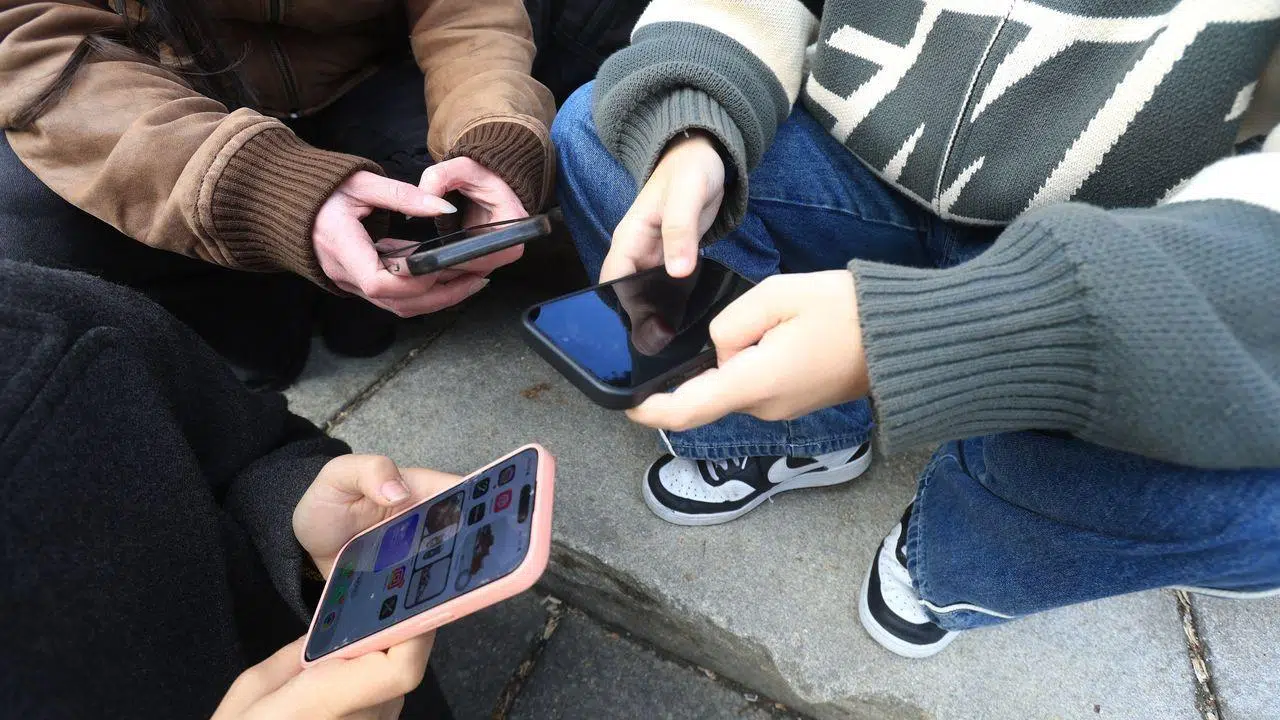
The so-called "curis accounts" have spread throughout secondary schools in Spain. These are anonymous profiles created by students on TikTok, and in some cases also on Instagram, that use the name, acronym, or logo of the school and post memes, cartoons, and caricatures about classroom life. What began as a joke among classmates has become a source of concern for school administrators, families, and, in some cases, law enforcement.
Its origins are not new. The term is linked to the old "curimomos" or "curifeos ," pieces of absurd humor, crude drawings, and parodies of TV series, video games, or movies that circulated in Facebook groups. With the leap to current social networks, the format has adapted to short videos and school memes. The key is that it can remain an innocent joke or cross boundaries when specific people are identified, real photos are used, or attacks are spread.
This is how the accounts work in the centers
The content features recognizable situations: jokes about explanations, physical appearance, teaching methods, or everyday occurrences. While many students see it as humor, the line is crossed when someone is ridiculed and can be identified by name, nicknames, references to their class, or photos taken at school. Several schools have warned that anonymity doesn't always protect: the profiles are often discoverable by searching for "curis" along with the school's name, and some posts include personal information or photographs.
The National Police have issued warnings about these types of accounts. They remind the public that a caricature or nickname can identify a person even without their photograph or full name, and that offensive content can negatively impact the well-being and community life of those targeted. Depending on the severity, this behavior can constitute crimes against moral integrity or serious defamation, as well as generate civil liability. It has also been emphasized that the joke does not negate the potential harm caused.
Notices, complaints and reactions from the centers
The reaction from schools and institutes has escalated. Several school administrations have sent circulars to families alerting them to offensive content directed at teachers and students, reminding them of their right to privacy, and requesting supervision of their social media use. Meanwhile, some schools have reported the incidents to the National Police or the Civil Guard; investigations have been opened in Málaga and Valladolid following complaints from schools, and similar profiles have been detected in other areas.
Not all cases are equally serious. Some posts remain mild parodies, while others include insults, rumors, or offensive images with sexist, racist, homophobic, or fatphobic undertones. That's why schools emphasize the importance of speaking with students, explaining the legal consequences, and reminding them that everyone is responsible for what they post, even if they do so under a pseudonym. Some accounts have disappeared after warnings, but it's not uncommon for new ones to appear.
- Notify the center and the families as soon as possible. when an offensive account or post is detected.
- Avoid sharing images or personal data of the students and the teaching staff.
- Do not share memes that ridicule someone and report any suspicious profiles to management.
- Remember that anonymity does not eliminate responsibility and that age influences the consequences.
What can families do and what are the consequences?
The matter doesn't end with a reprimand or a disciplinary report. The perpetrator's age and the severity of the actions determine the consequences: it's not the same if the person managing the account is under 14, between 14 and 17, or an adult. When images of third parties are shared without permission or their honor, privacy, or image is attacked, the case can end up in court. Digital health experts also emphasize that teenagers are digital natives, but they don't always assess the risks.
For families, the recommendation is not to look the other way or respond to provocation . It's advisable to review which accounts children follow, explain why the conflict shouldn't be fueled, and, if an offensive post is detected, inform the school. School leadership teams, for their part, are combining classroom discussions, official statements, and, in more serious cases, filing reports. The recurring message is simple: humor can be used without singling anyone out or turning the classroom into a platform for ridicule.
The truth is that these "curis" accounts are no longer just hallway gossip. They've become a matter of coexistence, privacy, and legal responsibility affecting students, teachers, and families across Spain. Most of those involved agree that the problem isn't humor itself, but its use to humiliate or expose others. That's why schools are asking for respect, authorities are reminding everyone of the limits of the law, and families have a key role: knowing what's being posted, with what intention, and who might be harmed.
Table of Contents